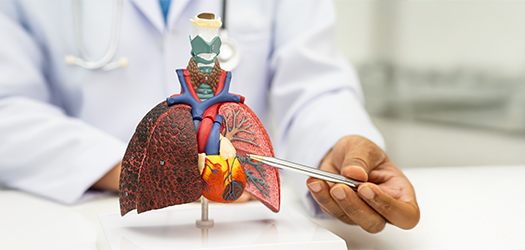
When lung scans reveal unusual patterns or signs of inflammation, finding the cause is essential for choosing the right treatment. This can be challenging with interstitial lung diseases (ILDs), which affect lung tissue and may cause persistent coughing, breathlessness, and reduced lung function. Sometimes, imaging and blood tests are not enough to confirm a diagnosis, and a lung tissue sample may be needed.
If you are searching for a transbronchial cryobiopsy specialist Glendale, understanding this advanced diagnostic procedure can help you prepare for a consultation. Transbronchial lung cryobiopsy is a bronchoscopic technique that collects lung tissue using a specialized freezing probe. It may provide useful diagnostic information for selected patients without requiring a surgical lung biopsy.
What Is Transbronchial Cryobiopsy?
Transbronchial lung cryobiopsy, also called TBLC, is a procedure used to collect small tissue samples from the lungs through the airways. A pulmonologist guides a bronchoscope into the lungs and uses a cryoprobe to freeze and remove selected tissue samples.
Compared with conventional forceps biopsy, cryobiopsy can provide larger samples with less tissue-crushing artifact. This may help pathologists examine the structure of lung tissue when investigating certain respiratory conditions.
The results are considered alongside CT scans, symptoms, pulmonary function tests, and other clinical findings. A biopsy is only one part of the diagnostic process.
When Is Transbronchial Cryobiopsy Recommended?
Transbronchial cryobiopsy may be considered when doctors are investigating suspected interstitial lung disease and other tests have not provided a clear diagnosis.
Conditions that may require further evaluation include:
- Idiopathic pulmonary fibrosis
- Nonspecific interstitial pneumonia
- Hypersensitivity pneumonitis
- Other forms of diffuse parenchymal lung disease
Not every patient with suspected ILD needs a biopsy. A specialist may recommend cryobiopsy when tissue examination could provide information that influences diagnosis or treatment.
The decision depends on lung function, imaging findings, medical history, overall health, and procedural risks.
How Is the Procedure Performed?
Transbronchial cryobiopsy is performed using a bronchoscope in a suitably equipped medical setting. The procedure generally involves four stages:
- Pre-procedure assessment: The specialist reviews medical history, CT scans, medications, and lung function to determine whether biopsy is appropriate.
- Preparation: The patient receives an individualized anesthesia or sedation plan. The medical team monitors vital signs throughout the procedure.
- Tissue collection: The physician guides the bronchoscope into the selected airway and uses a freezing probe to collect lung tissue samples.
- Recovery and monitoring: The team monitors the patient for complications. Imaging may be performed to check for pneumothorax, or air between the lung and chest wall.
Patients receive recovery instructions and information about follow-up care before leaving the medical facility.
What Are the Benefits of Lung Cryobiopsy?
One potential advantage of transbronchial cryobiopsy is the quality of tissue it can provide. Larger samples with better-preserved tissue structure may help pathologists assess patterns of inflammation and lung damage.
Potential benefits include:
- Larger tissue samples than conventional forceps biopsy in selected cases.
- A bronchoscopic approach that avoids an incision in the chest.
- Additional diagnostic information when imaging and other tests are inconclusive.
- A possible alternative to surgical lung biopsy for appropriately selected patients.
However, cryobiopsy does not guarantee a diagnosis. Some patients may still require additional testing or another biopsy method.
Understanding the Risks
Although transbronchial cryobiopsy is less invasive than surgical lung biopsy, it is not risk-free. Possible complications include:
- Bleeding from the biopsy site
- Pneumothorax
- Temporary breathing difficulties or low oxygen levels
- Infection
- Other respiratory complications
Patient selection and procedural experience are important for safety. A specialist considers lung function, oxygen levels, pulmonary hypertension, bleeding risks, and medications before recommending the procedure.
Patients taking blood thinners should discuss them with their physician and should never stop prescribed medication without medical instructions.
Cryobiopsy vs. Forceps Biopsy and Surgical Lung Biopsy
These procedures collect lung tissue in different ways.
| Procedure | How it works |
| Forceps biopsy | Small samples are collected through a bronchoscope using forceps. |
| Transbronchial cryobiopsy | A freezing probe collects lung tissue through the airways. |
| Surgical lung biopsy | Tissue is collected through a surgical procedure, often using video-assisted thoracoscopic surgery. |
The best approach depends on the suspected condition, the diagnostic information needed, available expertise, and the patient’s ability to tolerate the procedure.
Why Consult a Specialist in Glendale?
Choosing a specialist for an advanced lung biopsy involves more than finding a physician who performs bronchoscopy. Patients should ask about experience with the specific procedure, safety protocols, available facilities, and how biopsy results will guide further care.
Dr. Ramyar Mahdavi is a fellowship-trained, board-certified interventional pulmonologist in Glendale, California. His practice provides advanced pulmonary care, including diagnostic bronchoscopy and evaluation of interstitial lung disease and pulmonary fibrosis.
Patients searching for a transbronchial cryobiopsy specialist in Glendale can contact the practice to discuss their diagnostic needs and ask whether cryobiopsy evaluation or referral is appropriate.
Learn more about Dr. Ramyar Mahdavi, MD and available consultation options.
Questions to Ask Before a Lung Biopsy
Before proceeding, consider asking your specialist:
- Why is a lung tissue sample needed?
- Could imaging and other tests provide enough information?
- Am I suitable for transbronchial cryobiopsy?
- What risks apply to my medical condition?
- Who will examine the tissue samples?
- When will the results be available?
These questions can help you understand the procedure and make an informed decision.
Discuss Your Lung Diagnostic Options in Glendale
Transbronchial cryobiopsy can be useful in diagnosing complex lung diseases – including some cases of interstitial lung disease but will have to be considered on a case-by-case basis, taking into account patient risk factors, local expertise, and appropriate facilities.
Consult with a pulmonologist if you are thinking about this procedure in order to discuss your symptoms, imaging and previous tests. Your healthcare provider can determine if cryobiopsy or testing for other conditions or watchful waiting might be indicated.