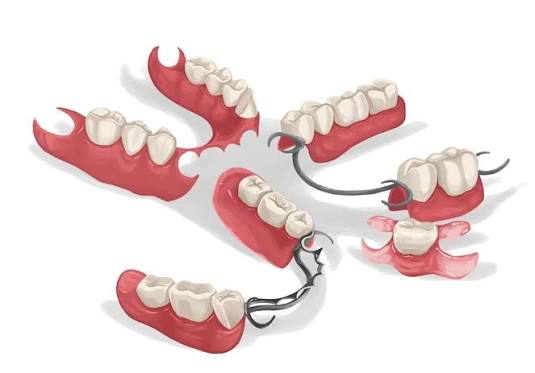
Losing one or more teeth can affect more than your smile. It may make chewing difficult, change the way you speak, and leave you feeling less confident in social situations. For people who are not ready for a permanent tooth replacement or need a removable option, partial dentures can offer a practical solution.
Partial dentures Fullerton CA, can replace several missing teeth while using the remaining natural teeth for support. They are custom-designed to fit your mouth and help restore everyday functions such as eating and speaking. With the right design and regular dental care, partial dentures can also improve the appearance of your smile.
Before choosing this option, it helps to understand how partial dentures work, which types are available, and what to expect during the fitting process.
What Are Partial Dentures?
Partial dentures are removable dental appliances designed to replace one or more missing teeth. Unlike full dentures, which replace an entire row of teeth, partial dentures fill specific gaps while allowing healthy natural teeth to remain in place.
They typically consist of replacement teeth attached to a supporting base. Depending on the design, the appliance may use metal clasps or other attachments to stay securely positioned.
A dentist considers the number of missing teeth, the condition of the remaining teeth, gum health, and the shape of the jaw before recommending a suitable design.
The goal is to create an appliance that looks natural, feels comfortable, and distributes chewing pressure appropriately across the supporting teeth and tissues.
When Should You Consider Partial Dentures?
Not every missing tooth requires the same replacement method. However, leaving gaps untreated can affect your bite and the way your remaining teeth function.
Partial dentures may be worth discussing with a dentist if you:
- Have lost several teeth but still have healthy natural teeth.
- Find chewing certain foods difficult because of missing teeth.
- Notice changes in your speech after tooth loss.
- Want to restore the appearance of your smile.
- Prefer a removable tooth replacement option.
- Need an alternative to a fixed dental restoration.
Missing teeth can also allow neighboring teeth to shift into open spaces. This may affect how your upper and lower teeth meet when you bite. A dental examination can help determine whether partial dentures are appropriate for your situation.
What Are the Different Types of Partial Dentures?
Partial dentures are available in different materials and designs. The right choice depends on your oral health, budget, comfort preferences, and how many teeth need replacement.
1. Metal Framework Partial Dentures
Metal partial dentures use a supporting metal framework with replacement teeth and an acrylic section that resembles natural gum tissue.
They are generally thinner and more rigid than traditional acrylic options. Their framework is designed to provide support while helping distribute chewing forces across the remaining teeth and oral tissues.
For patients who need a more durable removable appliance, a metal framework may be worth considering.
2. Acrylic Partial Dentures
Acrylic partial dentures are made primarily from an acrylic resin base with artificial teeth attached.
They are often used as temporary or transitional appliances, such as when a patient needs a removable replacement while planning further dental treatment.
An acrylic design may be suitable in certain situations, but its thickness and fit can differ from those of a metal framework partial. A dentist can explain which option is more appropriate.
3. Custom Partial Dentures
Custom partial dentures are designed around the patient’s individual dental anatomy. The dentist considers the position of the remaining teeth, gum tissues, bite, and appearance when planning the appliance.
A properly designed partial denture should feel stable and allow everyday activities such as speaking and chewing to feel more natural.
What Are the Benefits of Partial Dentures?
Replacing missing teeth can make a noticeable difference in daily life. Partial dentures offer several practical benefits when they are properly designed and maintained.
Improved chewing: Missing teeth can make it difficult to break down food comfortably. Partial dentures restore some of the chewing surface, helping patients manage a wider range of foods.
Better smile appearance: Replacement teeth fill visible gaps and can create a more complete-looking smile.
Support for remaining teeth: A well-designed partial denture may help limit unwanted movement of existing teeth by occupying open spaces. Its fit and design are important for protecting the remaining teeth and tissues.
Clearer speech: Missing teeth can affect how certain sounds are formed. Replacing them may help improve speech clarity.
Removable convenience: Partial dentures can be taken out for cleaning, making it easier to maintain the appliance and care for the mouth.
The benefits depend on the patient’s oral condition and the quality of the fit. Regular dental reviews help identify areas that may need adjustment.
What Happens During the Partial Denture Process?
Getting partial dentures involves more than choosing replacement teeth. The appliance needs to fit the mouth properly and work with the remaining natural teeth.
The process generally includes these stages:
- Dental examination: The dentist checks the remaining teeth, gums, bite, and areas where teeth are missing. Any untreated decay or gum disease may need attention before the appliance is made.
- Impressions and measurements: The dental team takes impressions or digital records of the mouth to help create an appliance that matches the patient’s anatomy.
- Design and fabrication: The partial denture is made using the selected materials and a design suited to the patient’s needs.
- Fitting appointment: Once ready, the dentist checks how the appliance sits, whether it feels stable, and how the replacement teeth meet the opposing teeth.
- Adjustments and follow-up: Minor adjustments may be needed as the patient becomes familiar with the appliance. Follow-up visits help maintain comfort and function.
Patience is important during the adjustment period. Speaking and eating may feel different initially, but gradual practice can help patients become more comfortable.
How Should You Care for Partial Dentures?
Daily care helps keep partial dentures clean and protects the remaining natural teeth.
Remove the appliance as instructed by your dentist and clean it regularly using products suitable for its material. Avoid using hot water, which may distort some denture materials.
A few habits can make a difference:
- Brush your natural teeth twice a day with a soft-bristled toothbrush.
- Clean the partial denture daily to remove food particles and plaque.
- Clean around supporting teeth and along the gumline carefully.
- Follow your dentist’s instructions about when to remove and wear the appliance.
- Store the denture as directed when it is not being worn.
- Attend regular dental checkups to assess the fit and condition of your mouth.
If the appliance becomes loose, causes sore spots, or develops cracks, arrange a dental appointment. Do not try to reshape or repair it yourself.
Choosing Partial Dentures in Fullerton, CA
Selecting a tooth replacement option is a personal decision. A dentist should consider more than the number of missing teeth. Gum health, bone support, bite alignment, existing dental work, and long-term oral health all influence the recommendation.
Patients exploring partial dentures in Fullerton can consult Arya Dental, where Dr. Saeed Mokhayeri and Dr. Hengameh Safarcherati provide general and restorative dental care.
The practice explains that partial dentures may be made using metal and acrylic or entirely from acrylic. Its approach considers the patient’s dental anatomy and aims to create a design that supports the remaining teeth and oral tissues. Metal partials may be preferred for their strength and thinner construction, while acrylic options are often used as transitional appliances.
A consultation can help you understand which design may suit your needs and whether other tooth replacement options should also be considered.
You can learn more about partial dentures at Arya Dental and explore the available treatment options.
Restore Your Smile with the Right Tooth Replacement Option
Missing teeth can affect how you eat, speak, and feel about your smile. Partial dentures offer a removable way to fill those gaps while preserving the natural teeth that remain.
The best results start with a proper dental assessment and a design that fits your mouth. With suitable adjustments, daily cleaning, and regular checkups, partial dentures can become a useful part of your everyday routine.
If you are considering partial dentures Fullerton CA, speak with a dental professional about your options and the type of restoration that best supports your oral health.