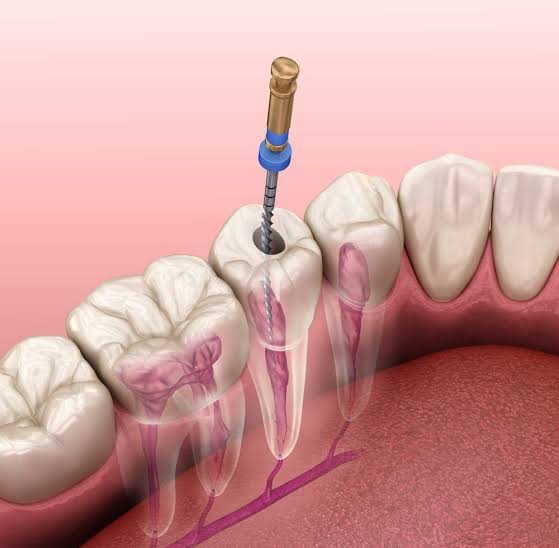
The thought of getting a root canal can make many people nervous. Some imagine long appointments, uncomfortable procedures, or losing a tooth altogether. However, endodontic treatment has changed considerably over the years. Modern dental technology now gives specialists better ways to examine teeth, identify hidden problems, and clean complicated root canal systems.
For patients exploring advanced root canal technology Mission Viejo, these developments are worth understanding. Tools such as 3D dental imaging, operating microscopes, and advanced irrigation systems have made it possible to approach root canal treatment with greater visibility and precision.
Why Does Root Canal Treatment Need Specialized Technology?
Inside every tooth is a soft tissue called the dental pulp, which contains nerves and blood vessels. Deep decay, cracks, injuries, or repeated dental procedures can cause this tissue to become inflamed or infected.
When this happens, root canal treatment may be recommended to remove the affected tissue, clean the internal canals, and seal the tooth. The challenge is that root canal systems are not always simple. Some teeth have narrow, curved, or unusually shaped canals that can be difficult to examine with the naked eye.
Modern endodontic technology helps specialists understand these structures more clearly and plan treatment according to the condition of each tooth.
3 Important Technologies Used in Modern Root Canal Treatment
1. CBCT Imaging for a Detailed View of Tooth Structure
Traditional dental X-rays provide two-dimensional images. Although they are useful for routine examinations, they may not reveal every detail of a complicated tooth or its surrounding structures.
Cone Beam Computed Tomography (CBCT) offers a three-dimensional view of the teeth, roots, jawbone, and nearby anatomical structures.
This imaging technology can help an endodontist:
- Identify complex or unusual root canal anatomy.
- Investigate possible cracks or hidden problems.
- Examine infections around the tooth root.
- Plan treatment for complicated cases.
- Evaluate teeth that have not healed as expected after earlier treatment.
CBCT is not required for every patient. The specialist recommends it when the additional information is likely to help with diagnosis or treatment planning.
2. Dental Operating Microscopes for Better Visibility
Some of the most important structures inside a tooth are extremely small. Finding an additional canal or identifying a tiny fracture can be difficult without magnification.
A dental operating microscope gives the endodontist a closer, illuminated view of the treatment area. Depending on the equipment, magnification can reach approximately 25 times.
This improved visibility is particularly useful when treating teeth with complicated anatomy or performing root canal retreatment.
Microscopes can help specialists locate hidden canals, identify separated instruments, examine small cracks, and work more carefully around existing tooth structure.
In simple terms, the microscope helps the specialist see details that might otherwise be difficult to notice.
3. GentleWave Technology for Root Canal Cleaning
Cleaning the root canal system is one of the most important parts of endodontic treatment. Even after the main canals have been shaped, tiny spaces and irregularities can remain difficult to reach with conventional instruments.
GentleWave is an advanced cleaning and disinfection system designed to address this challenge.
It uses multisonic sound waves and fluid dynamics to distribute cleaning solutions throughout the root canal system. This helps reach complex areas that traditional instruments may not access as easily.
Potential advantages include:
- Supporting thorough cleaning of complex canal spaces.
- Helping remove tissue debris and bacteria.
- Reaching areas beyond the main canal pathways.
- Supporting the preservation of natural tooth structure.
Not every root canal case requires GentleWave®. Its suitability depends on the tooth, diagnosis, and treatment plan.
Does Advanced Technology Make Root Canal Treatment More Comfortable?
Comfort is a major concern for patients considering endodontic treatment. Modern technology can support a more controlled procedure, but patient comfort also depends on proper anesthesia, the condition of the tooth, and the specialist’s approach.
Digital imaging helps identify the problem before treatment begins. Magnification supports careful work inside the tooth, while advanced cleaning systems assist with disinfection.
Together, these tools help the endodontist plan treatment more precisely. Most patients receive local anesthesia during root canal treatment, and the procedure is generally intended to relieve the discomfort caused by infection rather than create additional pain.
Some tenderness afterward is possible, but the specialist can explain what to expect and how to manage recovery.
Is Advanced Root Canal Technology Useful for Retreatment?
Yes, modern diagnostic and treatment tools can be particularly helpful when a previously treated tooth develops new problems.
Sometimes, a root canal-treated tooth does not heal as expected. Persistent infection, an untreated canal, or a new fracture may be responsible.
CBCT imaging can help investigate the surrounding structures, while an operating microscope allows the endodontist to examine the existing treatment more closely. These tools can support decisions about whether retreatment is appropriate or whether another procedure should be considered.
The aim is to preserve the natural tooth whenever its condition makes that possible.
Choosing a Practice for Advanced Root Canal Care in Mission Viejo
Technology matters, but the experience and training of the specialist using it are equally important. Patients should look for an endodontic practice that combines appropriate diagnostic equipment with specialized knowledge and clear communication.
Delta Root Canal in Mission Viejo, California, provides specialized endodontic services under the care of Dr. Roshanak Momen, DDS, MSD, a board-certified endodontist.
The practice uses CBCT imaging, dental operating microscopes, and GentleWave® technology as part of its approach to modern endodontic care. Services include root canal treatment, retreatment, and other procedures focused on preserving natural teeth.
Patients interested in learning more about advanced root canal technology in Mission Viejo can visit Delta Root Canal to explore its technology and treatment options.
Final Thoughts
Root canal treatment is no longer approached in the same way it was decades ago. Three-dimensional imaging, dental microscopes, and advanced cleaning systems have given endodontists additional tools to diagnose and treat complicated dental conditions.
While technology cannot guarantee a particular result, using the right tools for the right case can support more informed treatment decisions and help preserve natural teeth. If you have persistent tooth pain or have been advised to undergo root canal treatment, an evaluation by an endodontic specialist can help you understand your options.