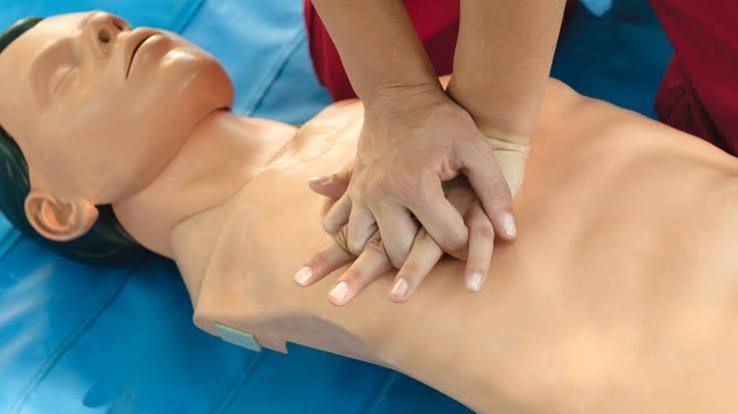
An expiration reminder can arrive just as your calendar fills with work, travel, or family commitments. Planning cpr recertification before that reminder becomes urgent gives you time to choose suitable training and revisit skills you may not have used recently. It also makes renewal a learning opportunity rather than another task to finish at the last minute.
A useful renewal plan has two parts: confirming the credential you need and preparing to participate fully in the course. Start with your records, then use the time before training to identify questions. The goal is to finish with current documentation and a clearer understanding of your response responsibilities.
Audit Your Current Card and Responsibilities
Find your existing certificate or digital card and check its exact course title, issuing organization, and expiration date. Do not rely on the date you remember attending class. Save a readable copy somewhere you can reach without searching through an old email account.
Next, compare that record with your present role. You may have changed employers, begun working with children, or accepted responsibilities that require a different course level. Renewing the same course automatically can overlook a change in what is expected of you.
Ask the person who checks training records which credentials and learning formats are accepted. If a particular issuer or skills assessment is required, get the details before enrolling. A course description that sounds familiar is not enough to establish that it meets your current requirement.
An expired card calls for a direct question to the training provider about eligibility. Renewal rules can differ, so explain when your previous certification ended and ask which course you should take. Avoid assuming that an old certificate automatically qualifies you for a shortened renewal option.
Put the Whole Renewal Process on Your Calendar
Choose a completion date that leaves room before your actual deadline. Include time for study, any required practical session, assessment, and submitting the new record. A short online lesson does not necessarily represent every step needed to satisfy your organization.
For example, someone returning from vacation shortly before a card expires may have little flexibility if a practical appointment is unavailable. Booking early creates room to resolve that problem. It also lets you choose study periods when you can pay attention rather than rushing between other obligations.
When comparing formats, distinguish online instruction from a full blended course. The American Red Cross offers renewal options with an in-person skills component, and its online-only courses do not provide the same workplace certification as its qualifying classroom or blended courses. Confirm the specific format and resulting credential before paying.
Keep a simple record of the provider’s instructions and contact details. Note any prerequisite materials, assessment booking arrangements, and deadlines for accessing lessons. Having those details together can prevent an administrative issue from interrupting your training.
Arrive With Questions Worth Practicing
Before your course, think about the parts of your previous training that are hardest to recall. You might remember the general sequence but feel uncertain about using an AED or coordinating with another rescuer. Write those questions down instead of assuming they will become clear during the test.
A short preparation checklist can help you make better use of the instruction. Focus on your learning needs rather than trying to teach yourself unfamiliar procedures from scattered search results.
- Identify situations you have not practiced since your last course.
- Note any changes in the age groups or setting you work with.
- Ask how the course addresses current guidance and practical skills.
- Check what equipment or materials you need for the session.
- Plan to ask for clarification when a demonstration is unclear.
During training, use feedback to correct technique and explain decisions in your own words. Recognizing a multiple-choice answer is different from understanding why an action comes next. Follow the course’s instructions and practice physical techniques on appropriate training equipment under qualified guidance.
Treat Completion as More Than Passing a Test
Once you finish cpr recertification, check the new documentation before forwarding it. Your name, course title, issuer, and validity information should be readable and accurate. Report any discrepancy to the provider while the enrollment details are easy to find.
Submit the record through the channel your workplace or school actually uses. An email to a supervisor may not replace an upload to a training portal. Ask whether receipt has been recorded if continued assignment to a role depends on that confirmation.
Keep the certificate alongside the course information and any accepted-format confirmation. If you move jobs, these records can help you explain what you completed. The next organization still needs to decide whether that credential satisfies its own requirements.
Make the Next Renewal Easier
Set the next reminder as soon as your new card arrives, leaving enough time to arrange the required course. Between renewals, use provider-approved review materials and ask about opportunities for guided practice. A certificate deadline should not be the only time you revisit what you learned.
When considering options from providers such as Simple CPR, match the course to your current responsibilities and your organization’s acceptance policy. Then build a realistic schedule around study, any required skills assessment, and documentation. That small amount of preparation gives renewal a clear purpose beyond replacing an expiring card.