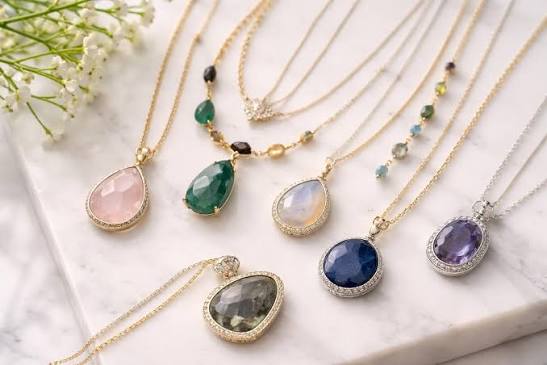
A jewelry gift feels thoughtful when it reflects the person who will wear it. Choosing stone jewelry becomes easier when you start with their habits, favorite clothes, and existing accessories. A beautiful product photograph is only one part of deciding whether the piece belongs in their daily life.
Before browsing, write down a few things you already know about the recipient. Think about what they wear repeatedly rather than what they admired once in a store. This small distinction can lead to a gift that feels personal without requiring a surprising change in their style.
Read the Clues in Their Everyday Accessories
Notice which type of jewelry they choose most often. Someone who wears a bracelet nearly every day may appreciate another piece for that routine. A person who prefers necklaces but rarely wears earrings has already given you a useful clue about where to focus.
Look at scale as well as category. Small beads, broad cuffs, short necklaces, and long pendants make different statements. Choose a size and outline that feels connected to their usual choices unless they have specifically mentioned wanting something different.
Color can offer another practical guide. The recipient may repeatedly wear blues, earth tones, black, or a mixture of bright shades. You do not need to find a perfect match, but a familiar color family can make a new accessory easier to pair with existing clothing.
Avoid using your own preferences as the final test. Ask whether you can picture the recipient reaching for the piece on an ordinary day. That question often brings the choice back to the person rather than the excitement of the purchase.
Confirm Fit and Materials Before Committing
For a necklace, compare the listed length with a piece the recipient already enjoys, if that information is available without spoiling the gift. Check how the closure or tie works and whether adjustment is described. Do not assume that every long necklace can be shortened.
For a bracelet or cuff, look for actual sizing information rather than relying on a photograph of someone’s wrist. Ask the seller to explain any unclear measurements. A gift should not depend on the recipient making an unapproved alteration to achieve a comfortable fit.
Read the material details for the exact item. The reviewed natural-stone collection includes pieces combining beads or stone accents with elements such as leather and metal. A broad category name does not establish the composition of each part, so check the individual listing.
If the recipient has told you about a material sensitivity, use that information when asking the seller questions. Avoid treating words such as handmade or natural as a guarantee about skin compatibility. When the necessary component details are unavailable, another confirmed option may be the better gift.
Make the Meaning Personal and Specific
A meaningful gift does not require a claim about what a stone can do. A color might recall a trip together, or a pendant’s shape might suit the recipient’s love of bold accessories. Those connections are personal observations that can be explained honestly in a note.
Keep the message focused on the person. “This reminded me of the blue jacket you always wear” can feel more attentive than a broad statement about the stone’s supposed powers. The gift becomes meaningful through the relationship and the reason you chose it.
If the recipient enjoys symbolic associations, distinguish tradition or personal interpretation from a promised effect. There is no need to make a health claim to give an object emotional value. A short note about your intention is enough.
Before placing the order, review the practical details:
- The jewelry type matches something the recipient enjoys wearing.
- The color and scale connect with their existing style.
- The dimensions and adjustment method are clearly described.
- Any relevant material questions have been answered.
- The current delivery estimate fits the occasion.
- The seller’s gift, return, and exchange arrangements are understood.
Plan for a Good Experience After the Gift Is Opened
Check the seller’s current return and exchange terms before purchasing, especially when the occasion is still some time away. Ask how a gift recipient would handle an exchange and what proof of purchase is needed. Do not assume a general returns statement covers every item or situation.
Once the piece arrives, compare it with the order and inspect it within the seller’s stated reporting period. Keep relevant packaging and paperwork until the gift has been accepted. Resolve a missing component or visible problem before wrapping it.
Include the product’s care information in a discreet way. The recipient should not have to guess how to treat a mixed-material piece. A small card or saved product detail can be useful without turning the gift presentation into an instruction manual.
Leave room for the recipient’s own styling choices. They may wear a necklace with something you had not pictured or prefer a different length. A thoughtful gift can still come with an easy exchange option and no pressure to wear it a particular way.
Stone jewelry is a strong gift choice when the decision is grounded in the recipient’s real preferences. As you compare pieces from The Jewelry Junkie, keep fit, materials, and everyday use beside appearance on the shortlist. Finish with a personal note that explains why the piece made you think of them.