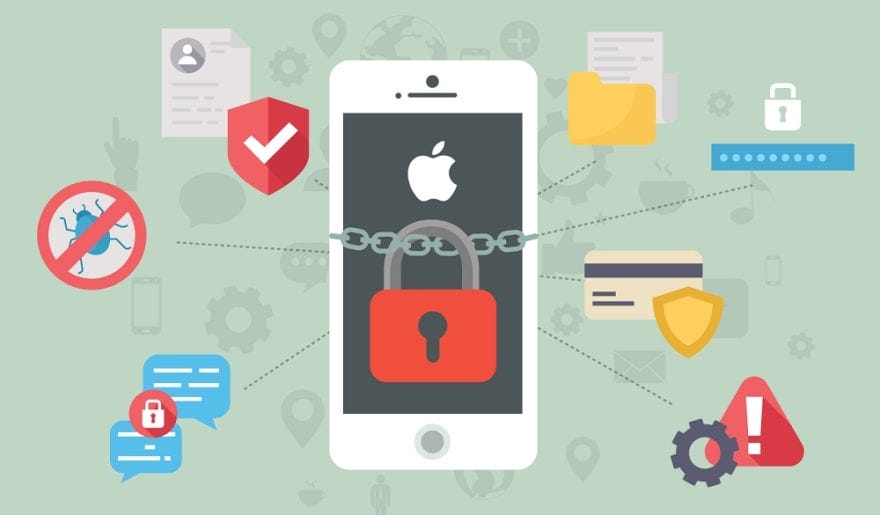
The rapid growth of OTT streaming across Apple devices has intensified the need for stronger iOS app security frameworks that protect premium content and user data. While iOS offers a controlled ecosystem, streaming applications remain attractive targets for reverse engineering, tampering, and runtime exploitation. Strengthening protection at the runtime level ensures that security measures remain active even after deployment, preserving content integrity and platform credibility.
OTT applications on iPhones and iPads must balance seamless playback with sophisticated defense mechanisms. Runtime protection plays a crucial role in maintaining this balance while safeguarding intellectual property and subscription revenues.
1. Expanding Risk Landscape for iOS OTT Applications
Streaming applications within the Apple ecosystem face evolving security challenges. Although Apple enforces strict app review standards, attackers continuously search for ways to bypass protections through modified environments and unauthorized tools.
- Jailbreak-Based Exploits
Jailbroken devices remove built-in operating system restrictions, enabling attackers to manipulate application behavior. Runtime detection mechanisms identify compromised environments and restrict access to sensitive streaming functions, preserving playback integrity. - Dynamic Code Manipulation
Attackers may inject malicious code during application execution to intercept decrypted video streams or bypass license checks. Real-time monitoring tools detect anomalies in memory and halt suspicious processes before exploitation occurs. - Credential Interception Risks
Weak authentication workflows expose tokens and session identifiers to interception attempts. Encrypted communication combined with secure token validation reduces the risk of account compromise. - Unauthorized Screen Capture Tools
Screen recording utilities can attempt to capture high-value content during playback. Runtime controls detect recording attempts and restrict output to prevent illegal redistribution.
2. Runtime Application Self-Protection Mechanisms
Unlike static defenses embedded during development, runtime protection actively monitors applications while they operate. This dynamic approach strengthens iOS app security by detecting and responding to threats in real time.
- Behavioral Monitoring Systems
Runtime engines analyze application behavior patterns and flag deviations from expected operations. Suspicious activities such as memory scraping or unauthorized API calls trigger immediate defensive actions. - Anti-Debugging Controls
Debugging tools are frequently used to study application logic and identify vulnerabilities. Anti-debugging mechanisms prevent unauthorized inspection of running processes, limiting opportunities for reverse engineering. - Integrity Verification Checks
Continuous verification ensures that the application has not been altered after installation. If tampering is detected, protective measures such as restricted playback or session termination are activated. - Secure Key Handling at Runtime
Encryption keys and license tokens are stored in protected memory zones. Hardware-backed security features prevent the extraction of sensitive cryptographic materials.
3. Code Hardening and Obfuscation Strategies
Although runtime defense is critical, resilient security also requires strengthening the application structure itself. Code hardening reduces exposure to exploitation before runtime monitoring even begins.
- Advanced Obfuscation Techniques
Converting readable code into complex structures prevents attackers from easily understanding application logic. This discourages attempts to bypass digital rights enforcement mechanisms. - Encrypted Strings and Resources
Sensitive data embedded within the application, such as API endpoints or encryption parameters, must be encrypted. This protects critical configuration details from extraction. - Secure SDK Integration
Third-party libraries used for playback, analytics, or advertising should be thoroughly vetted. Regular updates and security audits prevent inherited vulnerabilities. - Controlled Build Configurations
Production builds should disable debugging capabilities and restrict verbose logging. Minimizing exposed information reduces the risk of intelligence gathering by malicious actors.
4. Secure Playback and Content Handling Controls
OTT applications process encrypted video streams that must remain protected until rendering on screen. Secure playback environments prevent unauthorized interception during this critical stage.
- Hardware-Backed Trusted Execution
Leveraging Apple’s secure enclave and trusted execution environments ensures decrypted content is handled within isolated memory zones. This prevents extraction by malicious software. - Encrypted License Exchange Protocols
Communication between the application and licensing servers must be encrypted and authenticated. Secure exchanges protect digital rights management workflows from interception. - Time-Bound Access Tokens
Playback sessions should rely on short-lived tokens to validate user entitlements. Automatic expiration reduces the window of opportunity for unauthorized use. - Dynamic Output Control
Output protection policies restrict playback on untrusted displays or mirrored environments. These safeguards prevent external capture of high-definition streams.
5. Compliance, Governance, and Studio Requirements
OTT platforms distributing premium content must meet strict security standards imposed by studios and rights holders. Runtime protection supports compliance with these contractual obligations.
- Content Provider Certification Standards
Major licensors require adherence to defined security benchmarks for mobile platforms. Meeting these criteria enables access to exclusive and high-value media libraries. - Comprehensive Audit Logging
Runtime monitoring systems generate detailed logs of access attempts, playback events, and security triggers. These records support transparency and regulatory audits. - Fraud Detection and Prevention
Analytics engines identify abnormal viewing patterns that signal misuse. Early intervention protects subscription revenue and platform reputation. - Strategic Security Planning
Periodic assessments of runtime defense effectiveness ensure ongoing alignment with emerging threats. Continuous improvement sustains long-term resilience.
6. Performance Optimization and User Experience Balance
Security mechanisms must operate efficiently without compromising playback quality. An optimized protection framework maintains both resilience and performance.
- Low-Latency Monitoring Systems
Runtime checks are designed to execute without affecting video buffering or bitrate adaptation. Efficient processing ensures seamless viewing experiences. - Minimal Resource Consumption
Lightweight protection modules prevent excessive battery drain or memory usage. This preserves device performance while maintaining strong safeguards. - User-Centric Access Controls
Security triggers are accompanied by clear communication to prevent confusion. Transparent notifications enhance trust when restrictions are applied. - Scalable Infrastructure Support
Backend systems supporting runtime protection must handle high traffic volumes. Reliable infrastructure ensures uninterrupted security enforcement during peak demand.
Conclusion
iOS runtime protection forms a critical layer within OTT app security architecture. By combining real-time monitoring, secure playback controls, and hardened application design, streaming platforms can defend against evolving threats while preserving premium user experiences. This integrated approach strengthens intellectual property protection and reinforces subscriber confidence.
For organizations seeking advanced solutions tailored to Apple ecosystems, collaborating with specialized security experts becomes a strategic advantage. With deep expertise in OTT defense frameworks and mobile protection technologies, trusted providers such as doverunner help platforms build resilient, compliant, and future-ready security infrastructures that safeguard valuable streaming assets.